I had a long weekend to spare at the back end of a holiday to Malta, so I was casting around for something interesting to do; up popped Tunisia, only an hour’s flight away. It was so convenient that I booked a hotel without bothering to do much research.
But just before setting off, I realised that I was heading to Tunisia at Eid al Fitr, offering the potential for the entire country being closed for the weekend I was there. I seriously considered cancelling the trip entirely, but … wow … am I happy that I didn’t!
It all turned out very nicely in the end – Carthage, the Bardo museum and Sidi Bou Said were all open and empty, and all the shops in the Medina were closed, so I could look at the souks without the hassle or the people.
I was staying at Palais Bayram, which was the last residence of the Ottoman Grand Muftis, situated in the heart of the oldest part of the historic Medina, and now restored as a hotel with its original decor: painted woodwork and coffered ceilings, marble pediments and floors, earthenware and stuccoes, and a discreet walled garden.
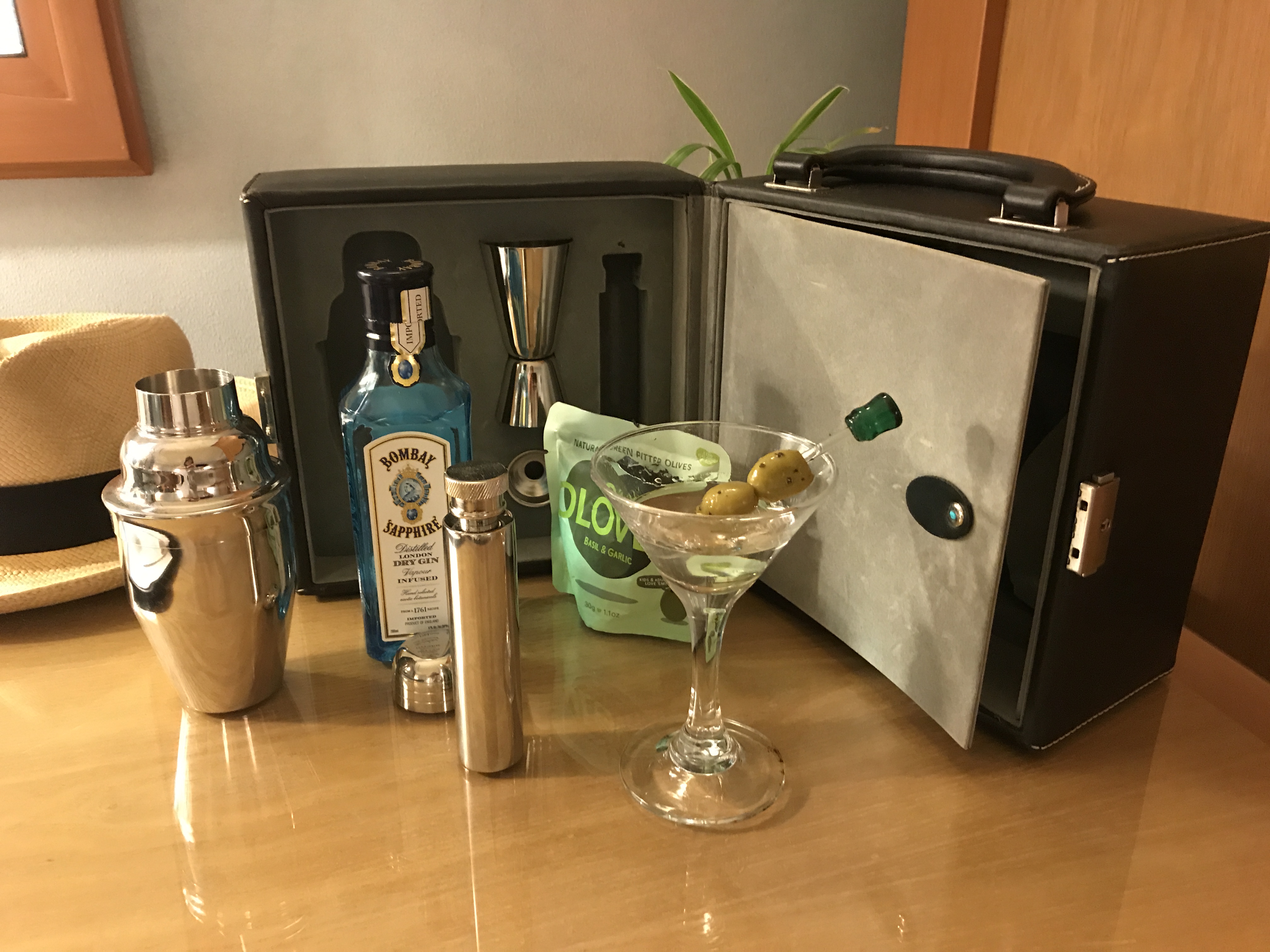
And as you can see, it was pretty impressive, not just the restoration but the staff and the whole experience of staying there. Others say that it feels like you’re the only guest being privately looked after, and they aren’t wrong.
In fact for me that weekend, it felt like that everywhere I went. On finding out that I don’t much care for shopping or crowds, one local lady that I was chatting to joked, “well, we like to make everyone feel as welcome as possible in Tunisia, so for you, we’ve closed all the shops and kept all the people away!”.

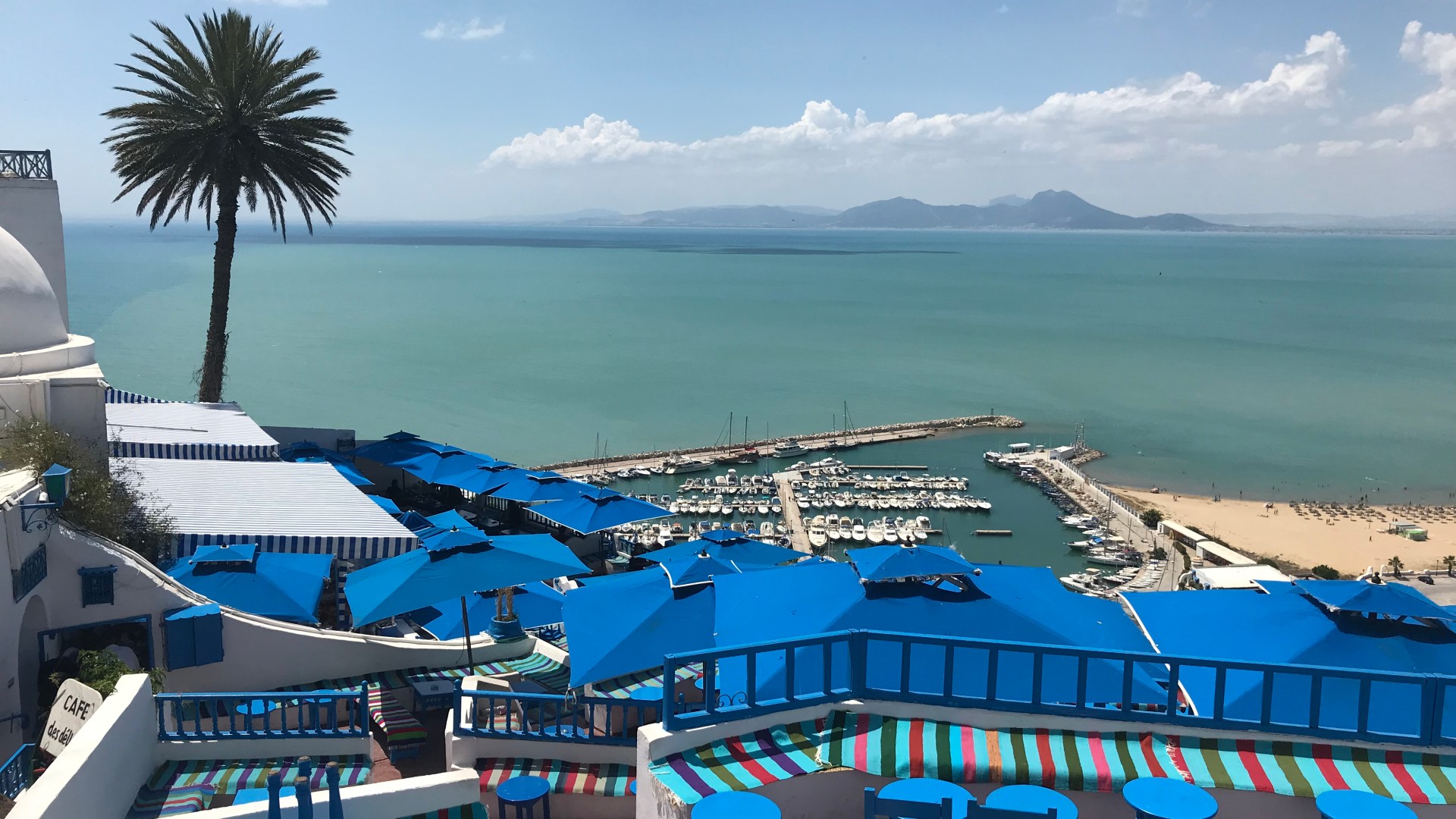
Tunisia felt a lot more like a Southern European country than a North African one, and that was no more in evidence than in the beautiful (and fabulously empty) Sidi Bou Said – a UNESCO World Heritage Site, famous for its blue and white colouring.


The Bardo Museum was pretty good; they’ve got the number one mosaic collection in the world, so you’ve got to quite like mosaics if you’re going to visit!


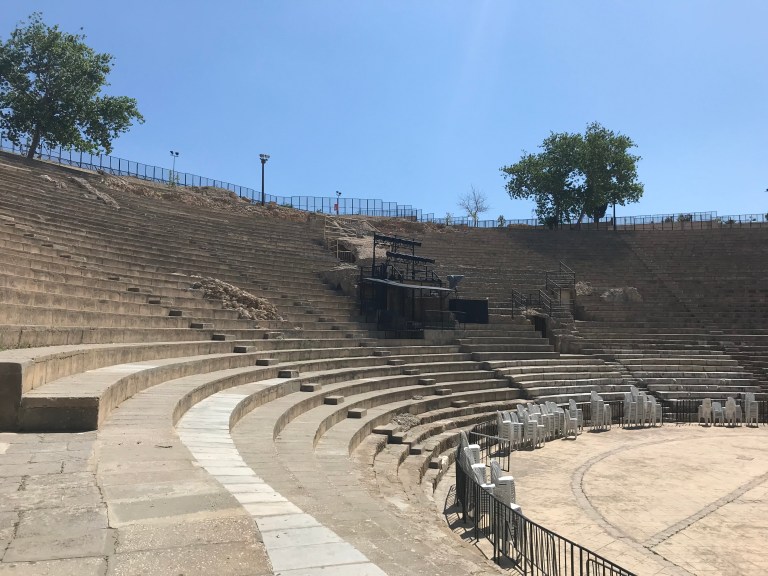
But really the very best thing for me was Carthage. There was much more to see than I was expecting and what I already knew about didn’t disappoint in the slightest; it was magnificent!


It wasn’t just the scenery that felt Mediterranean, but the people too. One couple I met were keen to talk to me about gender equality, and how the Tunisians are champions of women’s rights in the Arab world. There may be some way to go, but I was told there is co-educational schooling, laws on violence against women, a requirement for political parties to put forward female candidates for elections, and Tunisian women being free to marry non-Muslims.
But at the time of writing there’s still a state of emergency in Tunisia, with an ongoing terrorist threat, so one guide at the museum was really happy to see a British woman travelling alone in Tunisia; she thought it must prove that things are looking up for the tourist industry. I didn’t have the heart to tell her that I’ve got a pretty high risk threshold, but actually my weekend in Tunisia didn’t feel any less safe to me than I would have felt in London, Paris or Madrid.
Tunisia is a beautiful, colourful country with a long and fascinating history, and incredibly kind and welcoming people, so I really hope it gets back on the holiday list for people very soon.

 cheeky gin travels
This was a loovely blog post
LikeLiked by 1 person