It’s hard to describe my feelings about Bosnia & Herzegovina (BiH).
There were some good bars and some great beers, the train ride from Sarajevo to Mostar is what the word ‘scenic’ was invented to describe, walnut rakija is a criminally underrated drink, and I stayed in a hotel in Mostar that is a national monument and museum.
But time and again everything somehow led back to death and destruction – the Srebrenica massacre, the Siege of Sarajevo, the destruction of Mostar, the assassination of Franz Ferdinand. Even going in to one restaurant for dinner in Mostar, the first thing the owner did was give us a couple of photo books detailing the damage to the bridges and other buildings during the war in the 90s.
It was beautiful and interesting and educational and I’m so glad I’ve been, but I don’t know whether I can rightly be described as having ‘enjoyed’ it. Other people likely leave with feelings of hope, but I only came away feeling despair that during my adulthood, in continental Europe, human civility and respect so easily disappeared.
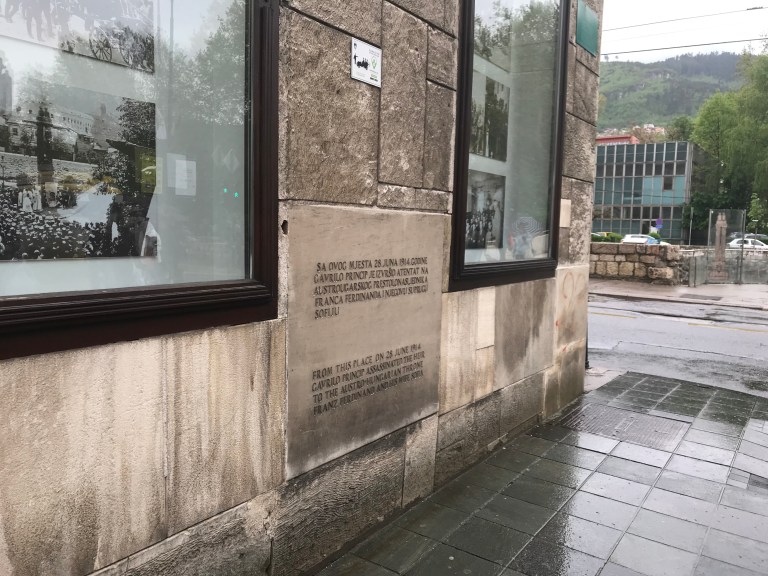
Here is the spot where Gavrilo Princip stood to fire the shots that killed Archduke Franz Ferdinand of Austria, lighting the sparks that led to the First World War. There is a small but very interesting museum here about this event.
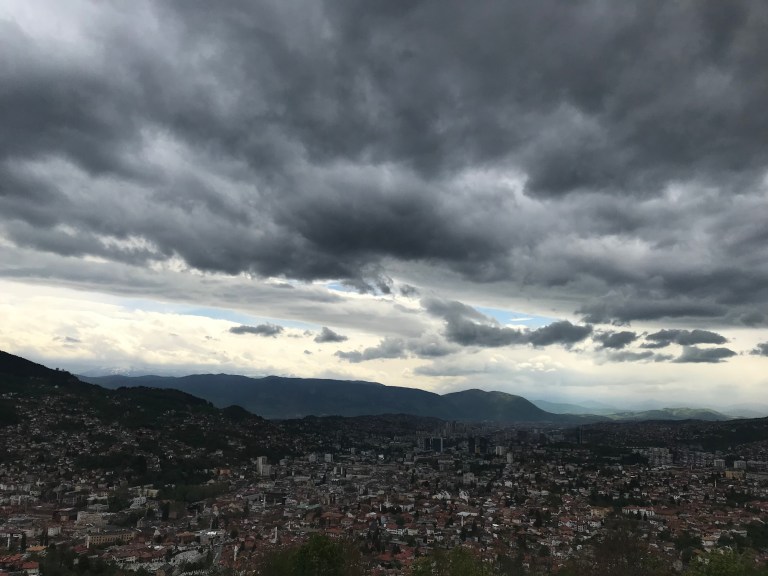
During the Bosnian War, Sarajevo was besieged by the Army Republika of Srpska from 5 April 1992 to 29 February 1996 during which nearly 14,000 people were killed. This is a view of Sarajevo taken from the White Fortress. Those clouds somehow captured my own mood.

I’d passed a couple of these before I realised they might be ‘something’! They are known as Sarajevo Roses and are the craters of mortar strikes filled with red resin as a memorial to those who died during the siege.
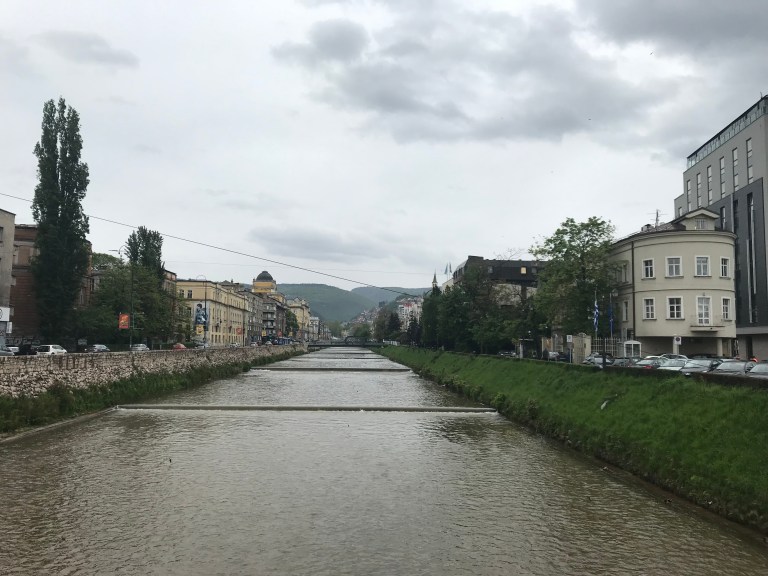
The River Miljacka running through Sarajevo.
Despite the war and subsequent peace agreement, there still appears to be an incredibly complicated system of government, which I’m not even going to try and understand here! There are actually two entities – the Federation of Bosnia & Herzegovina and Republika Srpska. This means there are two Prime Ministers, but three presidents – one a Serb, one a Croat and one a Bosniak.
There is also a segregated education system in BiH known as “two schools under one roof”, which means that children who are ethnically Croats and Bosniaks attend schools located in the same building, but have different curricula, teach in different languages and have different textbooks. Sometimes they even enter the school through different doors or use different staircases.
But before we all get too sad, let’s just pause for a break here, shall we?! Remember those fantastic beers and rakija…
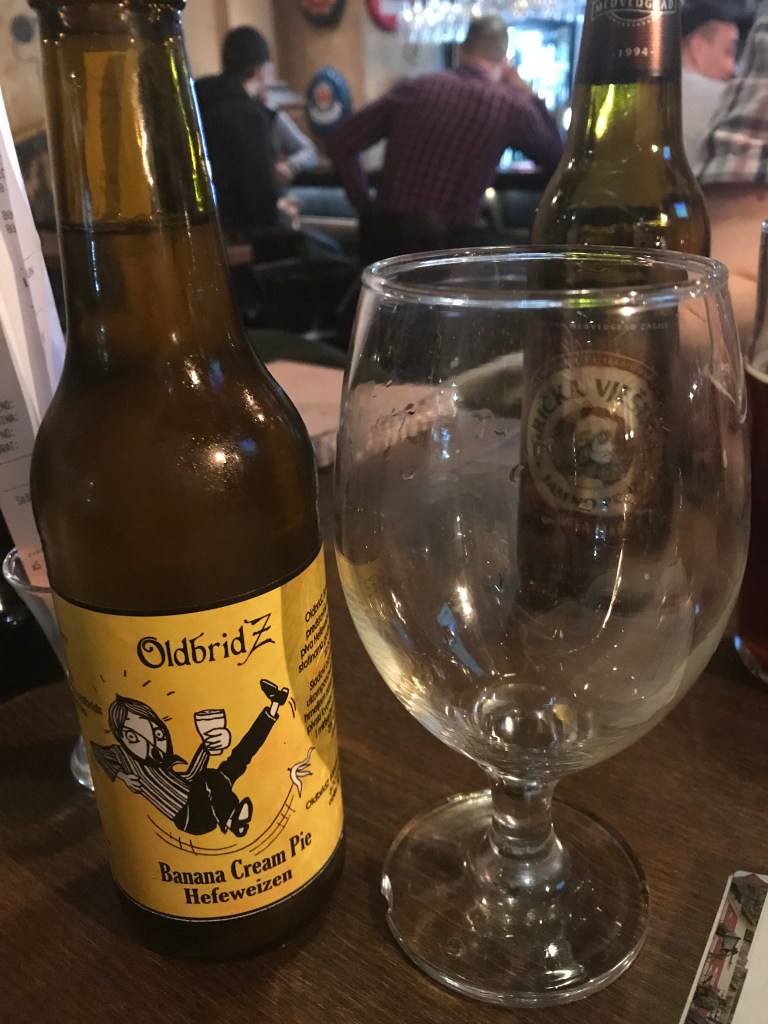
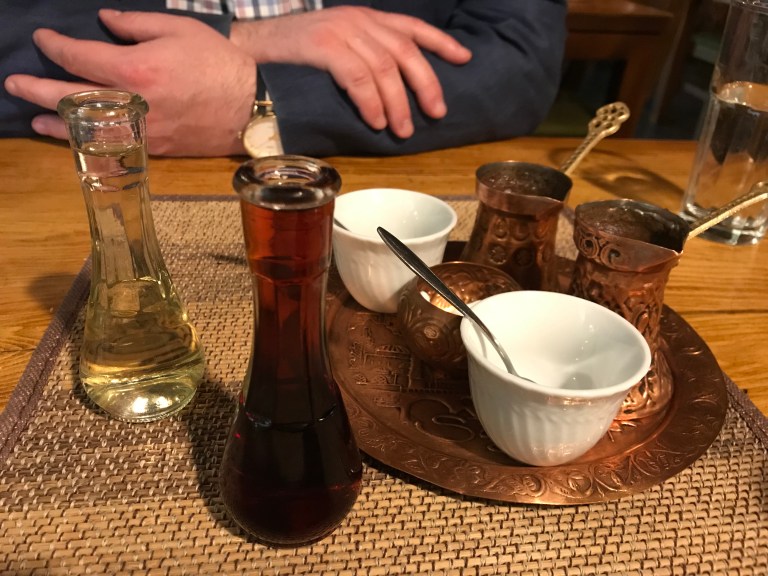


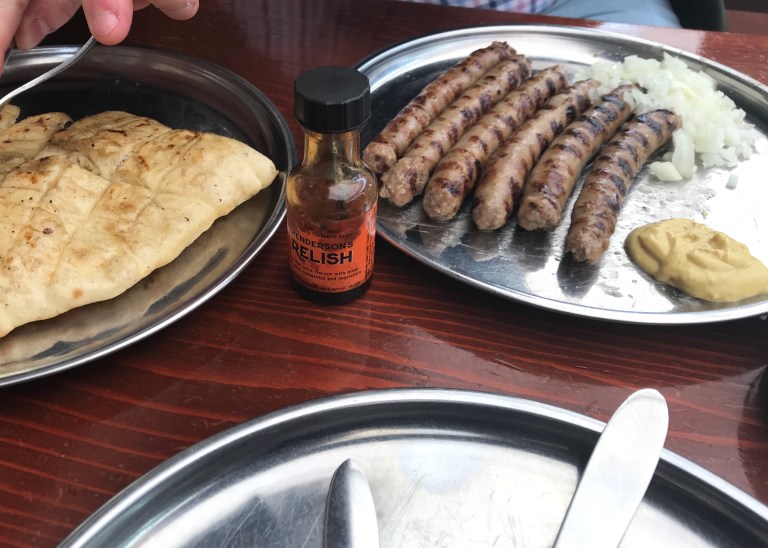
… and the very excellent ćevapi, and the magnificent deep fried bread with cheese!

After Sarajevo, we took the train to Mostar, which was one of the most scenic train rides I’ve done with lush valleys and imposing mountains round every bend in the track.
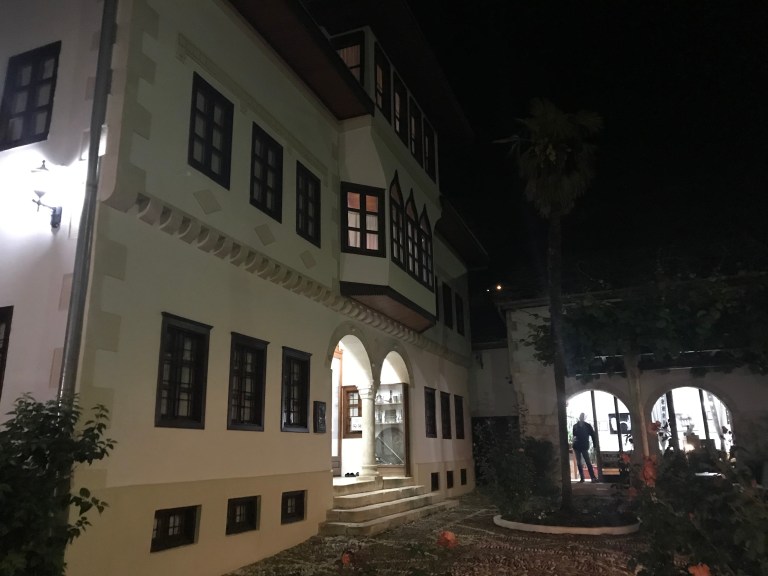
We stayed in the Musilbegovic House, which is a Bosnian National Monument. Built in the late 17th century it has been faithfully restored and you can go on a tour of it as a museum, but it’s also a really beautiful hotel.
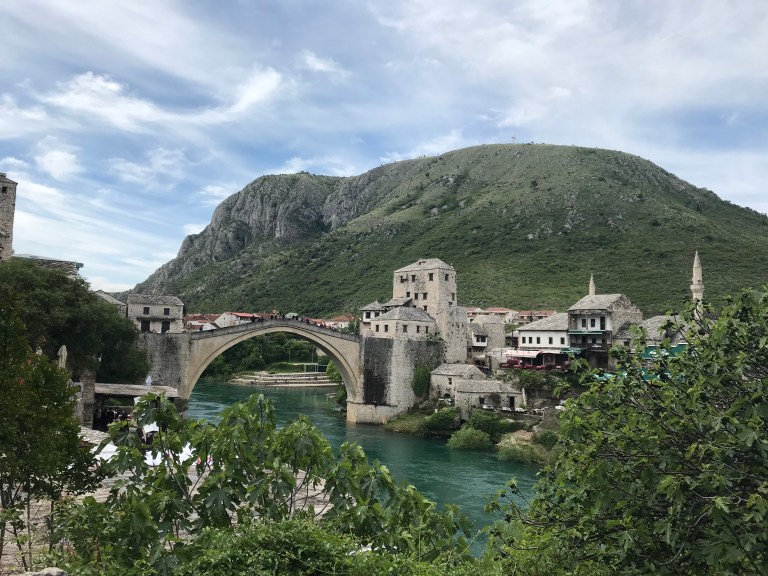
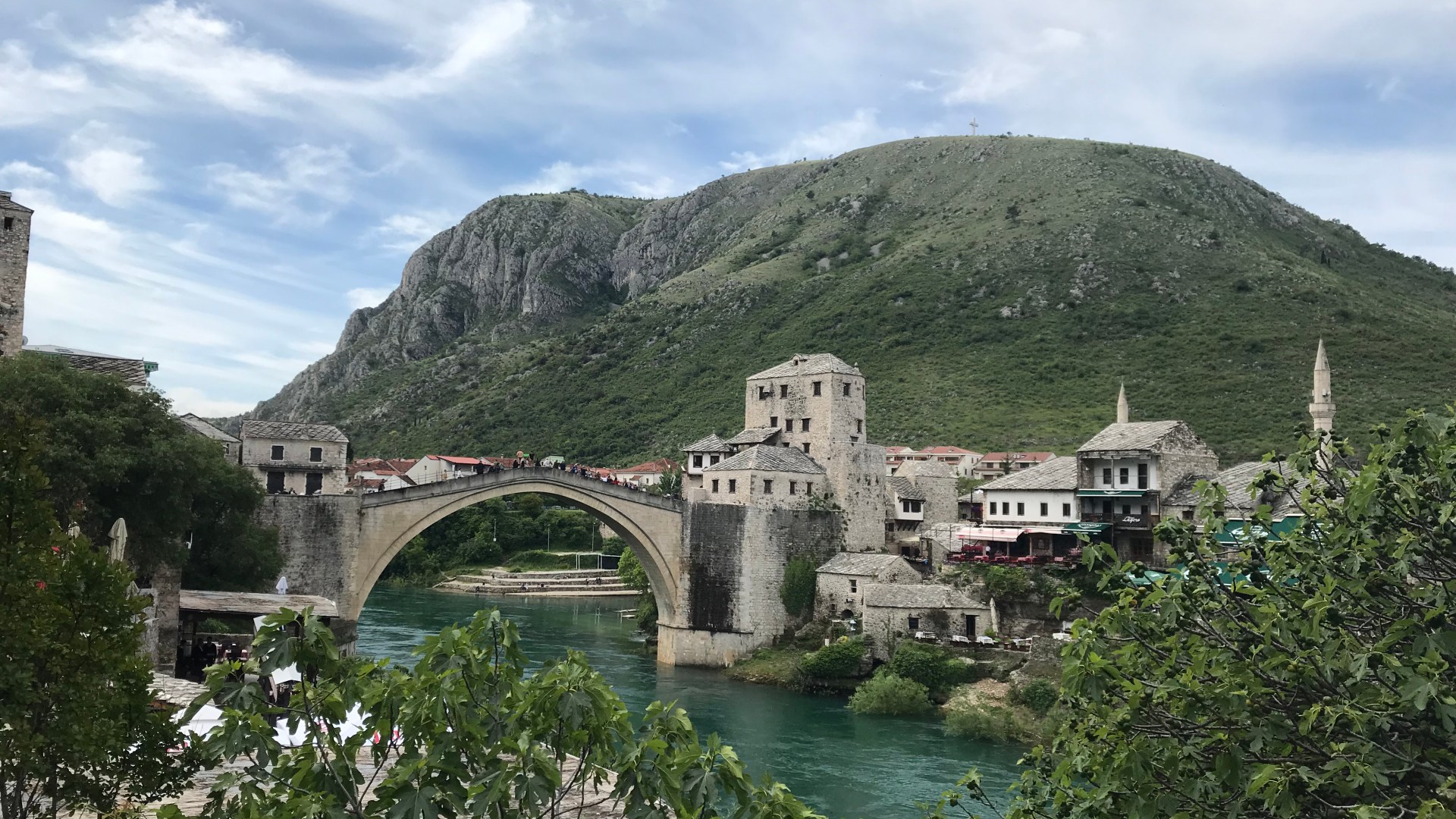
Mostar is famous for its bridge which collapsed under shelling during the Bosnian War and was later rebuilt.
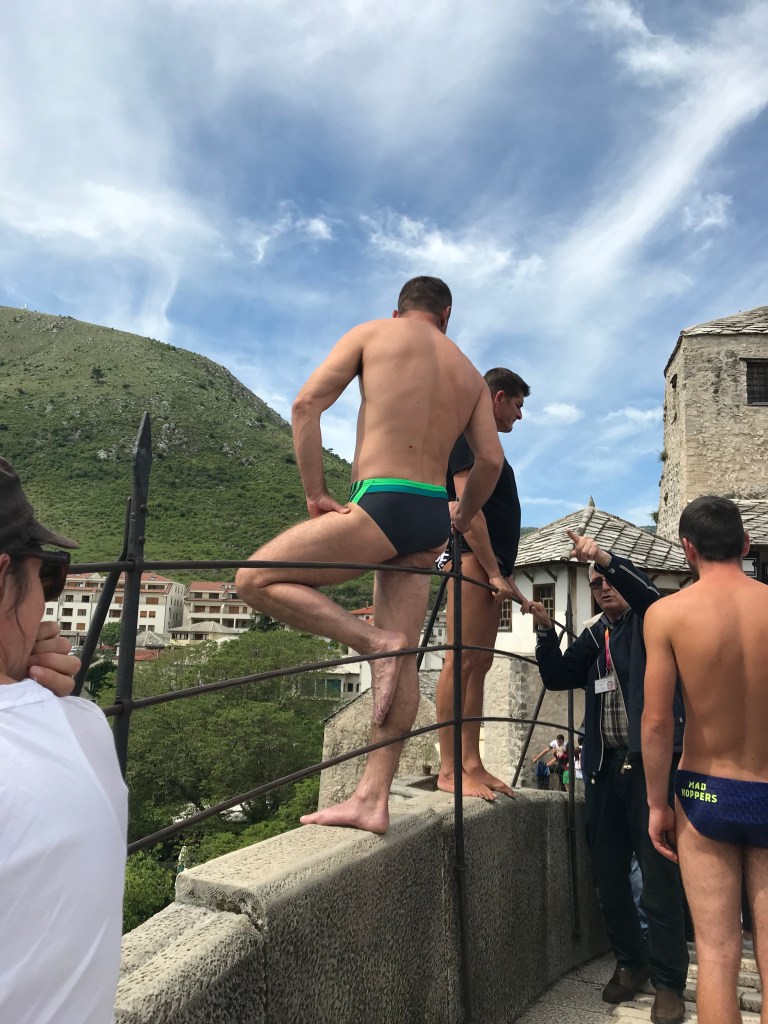
Mostar is pretty touristy. There are several cruise ship daytrippers from Dubrovnik and Kotor, and the beautiful narrow cobblestone streets are filled with tourists and tourist tat from fridge magnets to snow globes. On the bridge you can pay people to jump off into the water below. I know.

Well this was a horribly sobering experience. I thought I was going to spend about 15 minutes in here, but you really need to give yourself at least an hour or even more to fully appreciate the absolute horror of the Bosnian War and what one person is capable of doing to another person simply because they’ve got a different ethnic label.
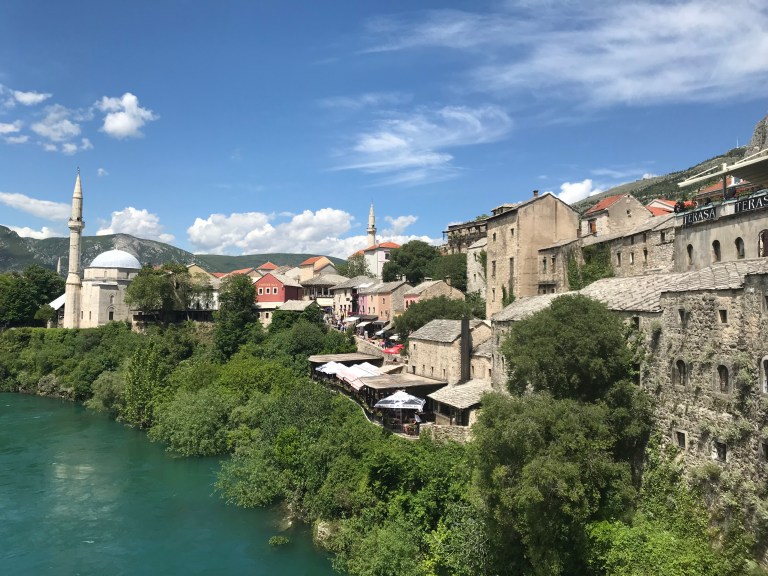
Here we are standing on the bridge at Mostar looking across at the city. It’s been so well restored, as has so much of BiH, but everywhere you look you can still see the scars of a desperate time in this country’s history.
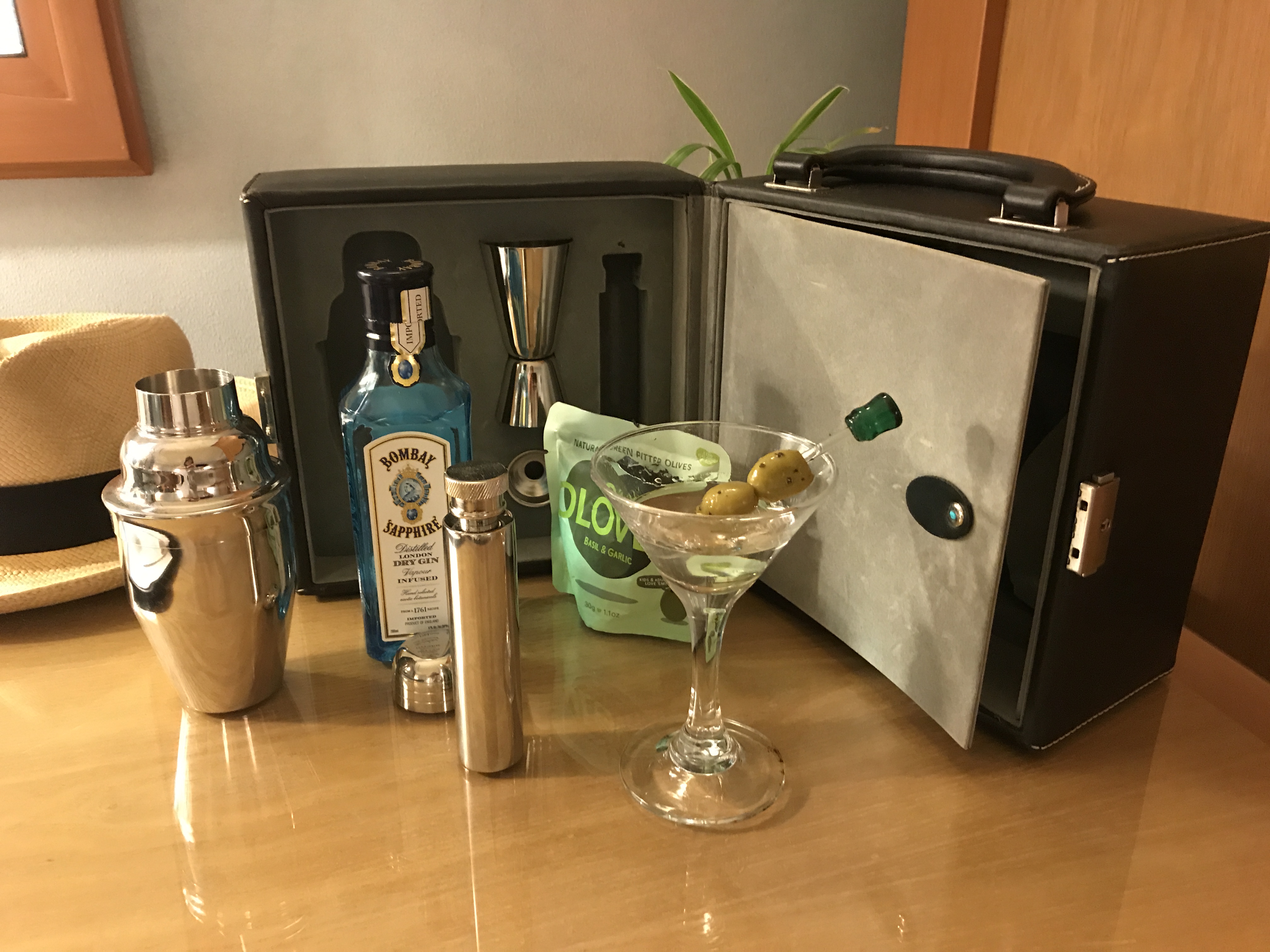
 cheeky gin travels