Don’t worry if you’ve never heard of eSwatini; it’s what used to be called Swaziland before the king changed its name in 2018 to mark the joint celebration of his 50th birthday and 50 years since independence – which I suppose is just one of the fun things you can do when you’re the last absolute monarch in Africa.
But one person’s monarch is another person’s feudal dictator, and despite having absolute power, it seems the king enjoys a notoriously lavish lifestyle, while presiding over a country with about 25% unemployment, the highest prevalence of HIV on the planet, and one lowest life expectancies in the world.
So once again, I find myself feeling somewhat guilty for having had such a great trip, but it’s a beautiful country, with fabulously friendly and funny people and I really loved it.
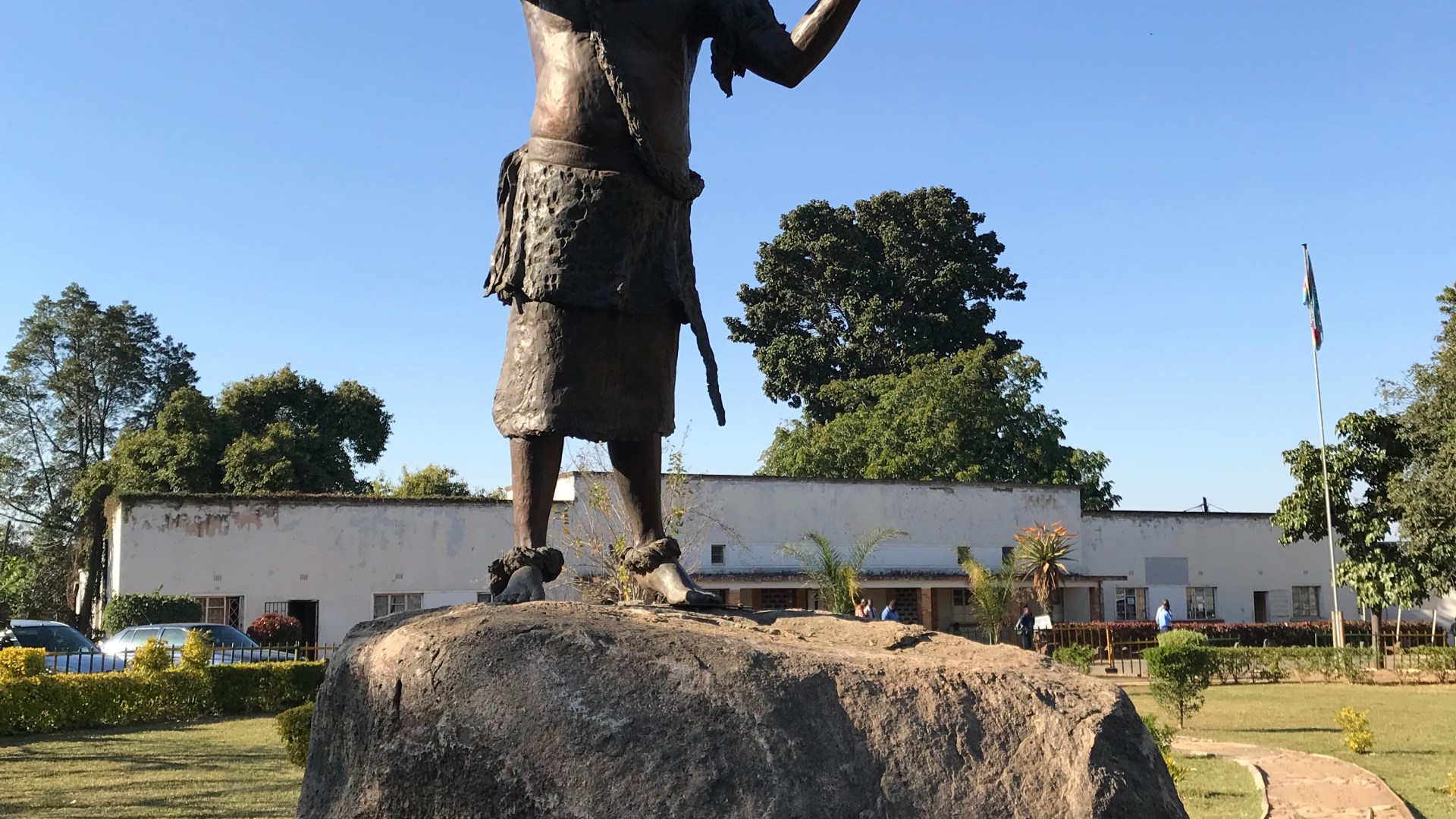
I didn’t visit Mbabane, which is really just an administrative capital, but went instead to Manzini, the former capital and the biggest city in eSwatini, visiting the King Somhlolo park with its famous bronze statue of King Somholo (or Sobhuza I) who ruled Swaziland from 1815 to 1836.

He’s holding a bible in one hand and a silver coin in the other, and legend has it that he had a dream about the arrival of people who were so pale you could see the veins through their skin, carrying books and small shiny objects.
He warned the siSwati people to chose the bible instead of the money. Sadly, choosing peace and religion over cash and war didn’t much help during the Scramble for Africa, when the British made Swaziland a protectorate until independence in 1968 and the monarchy took over and consolidated its power again.
But enough of my selective history lesson, let’s get on with some proper tourist stuff!

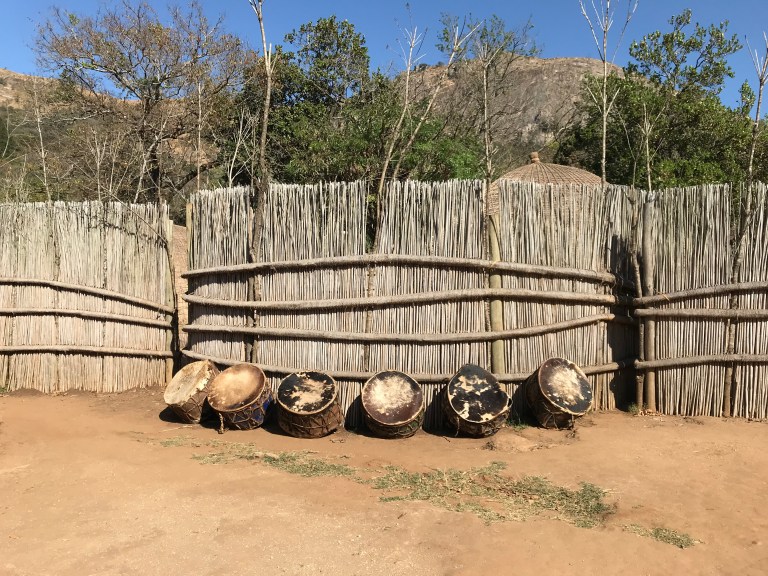
Here’s a re-enactment put on for us tourists of several traditional siSwati dances.
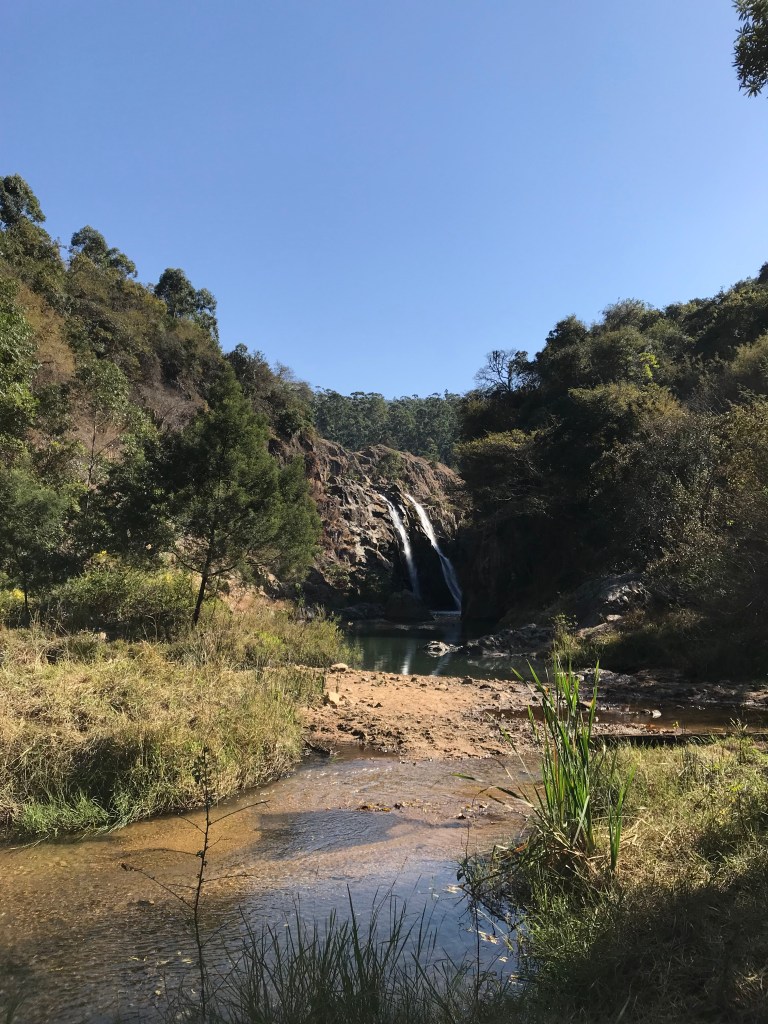
You can visit Mantenga Falls, which is a pretty peaceful place to sit for a picnic, with the vervet monkeys clambering around in the trees around you. Zoom in to see the monkey!
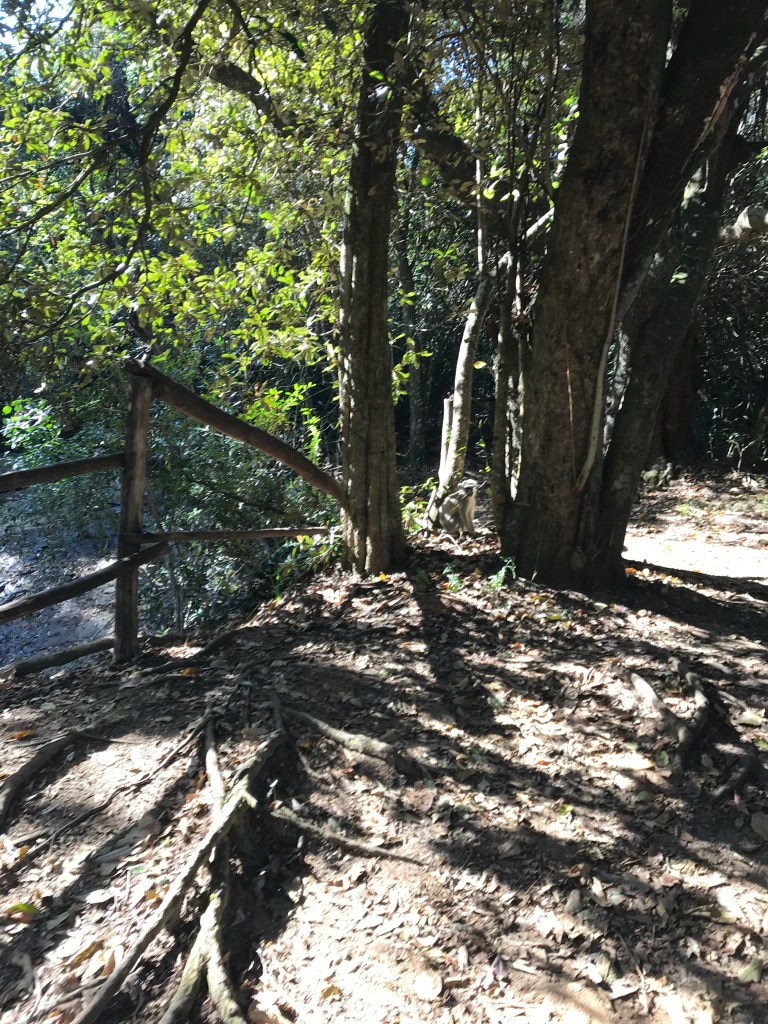
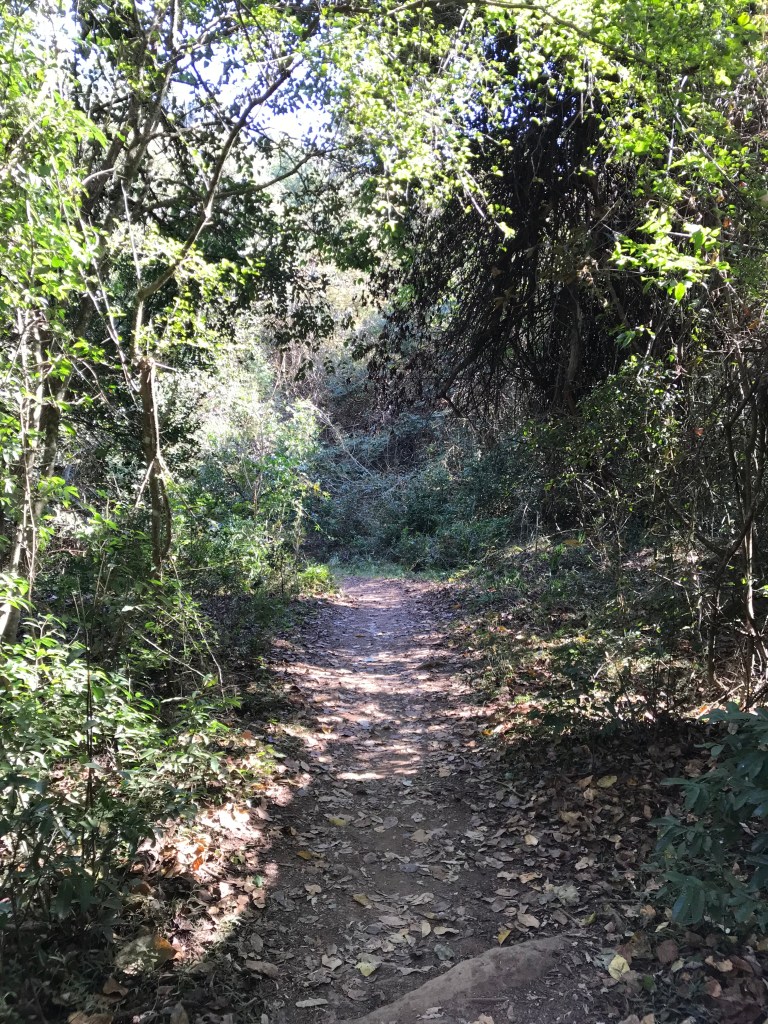
In fact there are some lovely trails in eSwatini, and some rugged trails, and plenty of guided walks to see the local wildlife, but my holiday wasn’t about the animals this time, but about the people and the history.
The lady below is one of the guides at the Mantenga Cultural Village, which seems to be one of the main tourist attractions in the country.
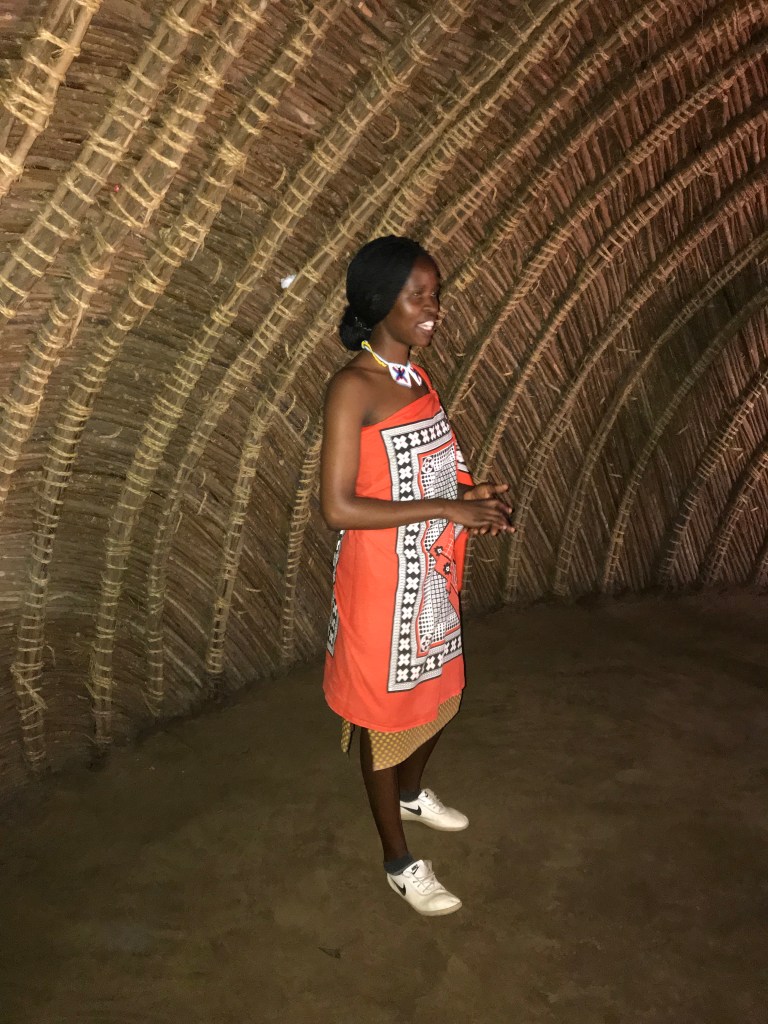
She was excellent at the subtle eye-roll every time she talked about a woman’s traditional place in the homestead. There is a bride-price of 17 cows that you have to pay your wife’s father in order to get married. “17 cows minimum,” she assured me. “It’s a lot more if you’ve got a PhD.”
My driver told me a cow costs about US$500, and even though his own wife only cost 12 cows because she’d had a child before (i.e. not a virgin), by the age of 34 he’d only saved up enough for 4 cows, so he’s paying his father-in-law the rest of them in installments. Because it takes so long for most men to save up enough for 17 cows, the age difference between husbands and wives is often very great indeed.
As an aside, you can buy as many wives as you can afford. The current king has about 15 and his father had over 70.
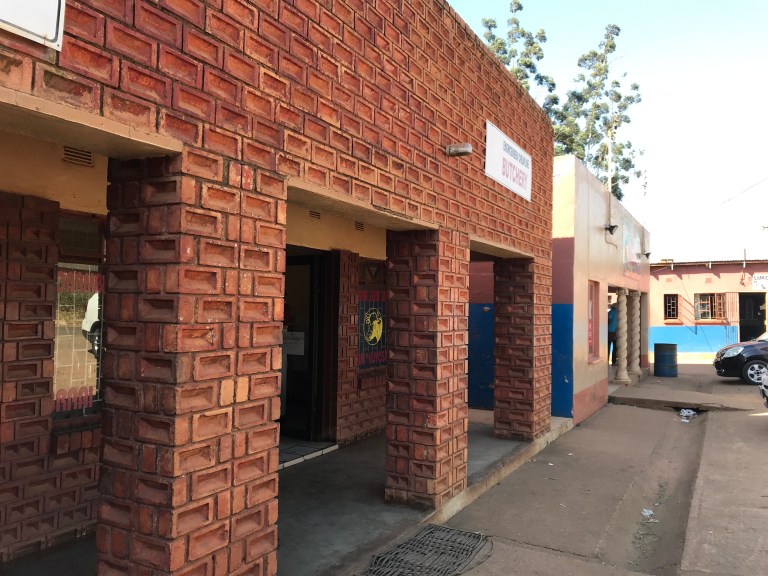

Here is a typical small town near Mantenga with its row of shops – butcher, tailor, shoe repair, hairdresser and small general store.
All around in the countryside there are fields and fields of corn growing commercially.
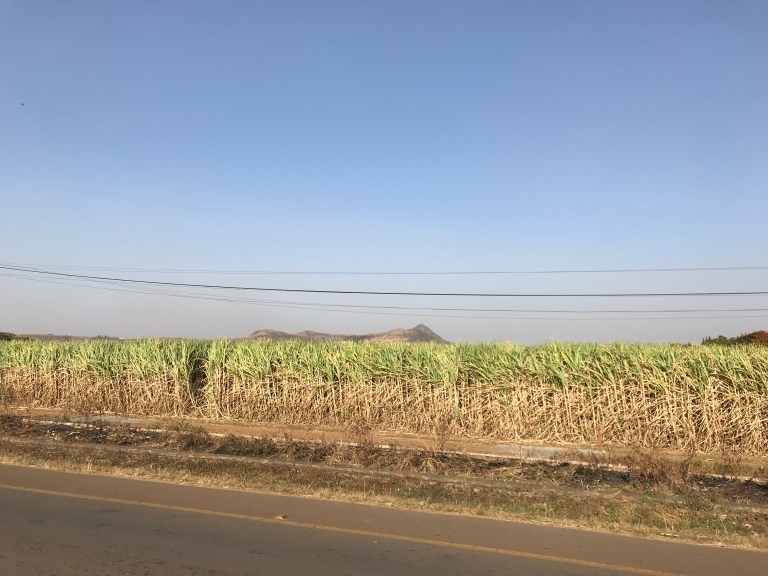
Mostly I suppose that’s because maize porridge seems to be the main source of food.
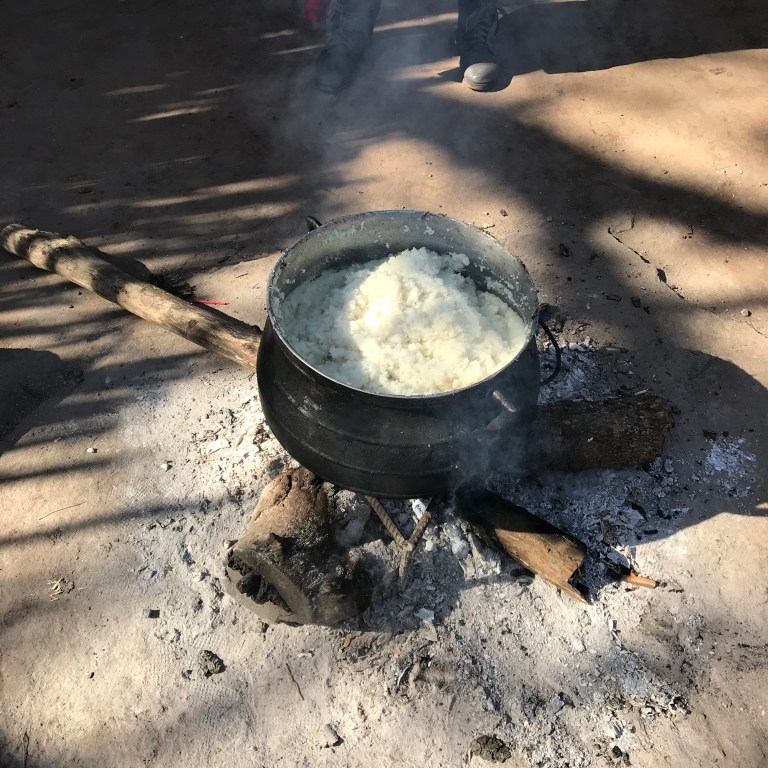
I saw a lot of fruit for sale, but not many vegetables, and a lot of meat is eaten – “there are no vegetarians in eSwatini”, my driver laughed! Apparently women aren’t allowed to eat the brains of any animal in case they become too clever, or the tongues in case they talk too much, or the feet, in case they run away from their husbands; many siSwati men won’t buy shoes for women in case they use them to chase other men! Eye-roll. Sigh.
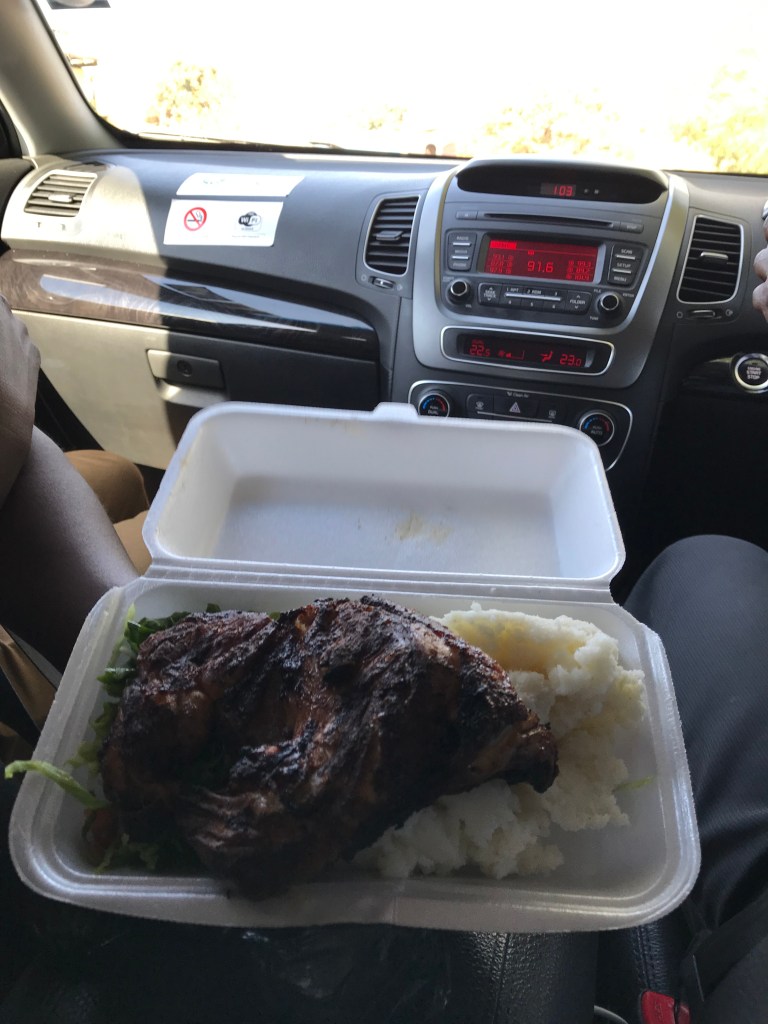
Traditional lunch of Chicken Dust and Porridge. The chicken was great, and the porridge was slightly improved with a splash or two of Henderson’s Relish… It’s called chicken dust because the stalls selling it are always on the side of the road and the chicken is ‘seasoned’ by the dust that the cars kick up!!
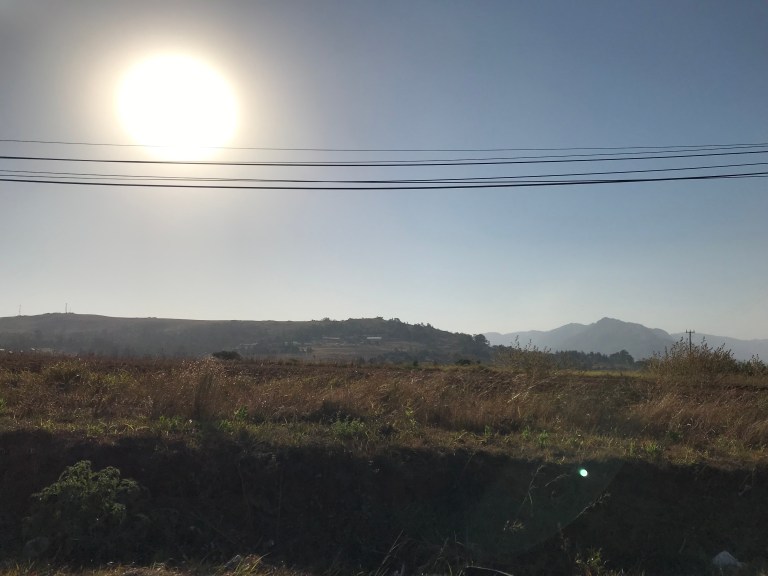
It was only a brief trip to eSwatini, but I heard lots of wonderful stories and legends and was introduced to their history, culture and traditions with a sense of pride you don’t get in a lot of other countries. But there isn’t exactly a lot to do; I asked the guide what I should put on the itinerary next time I come to visit, but he struggled to come up with anything more than visiting the glass factory.
But then he remembered House on Fire….
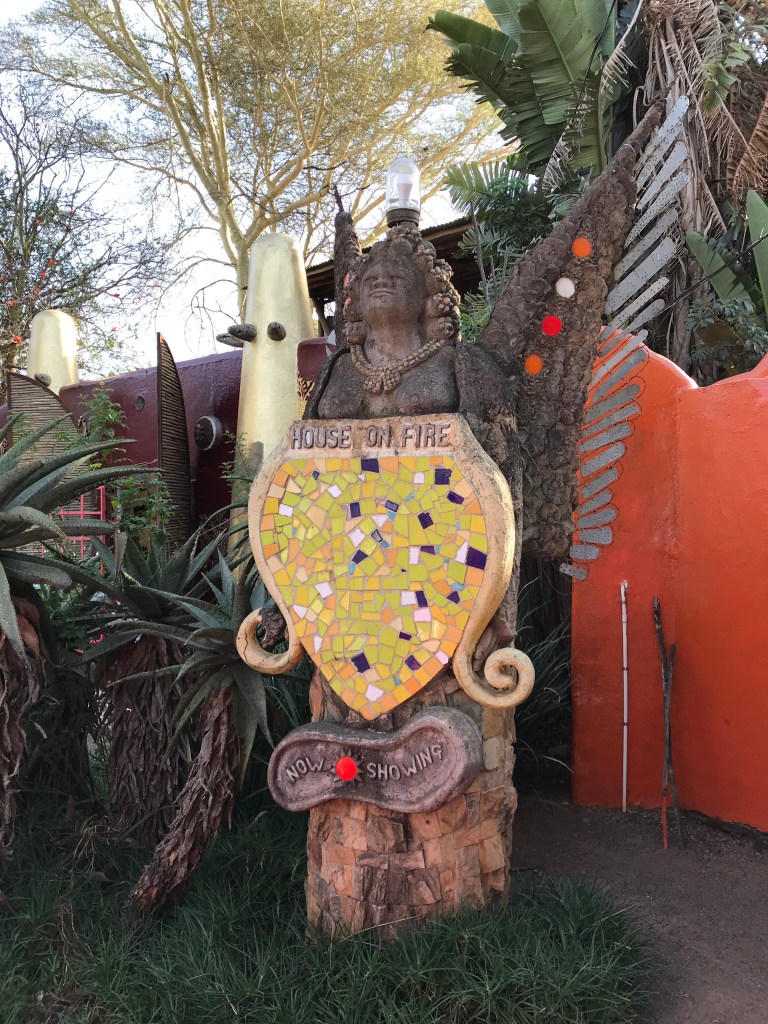
…which is where the BushFire Festival is held each year, apparently an epic celebration of African music and arts.
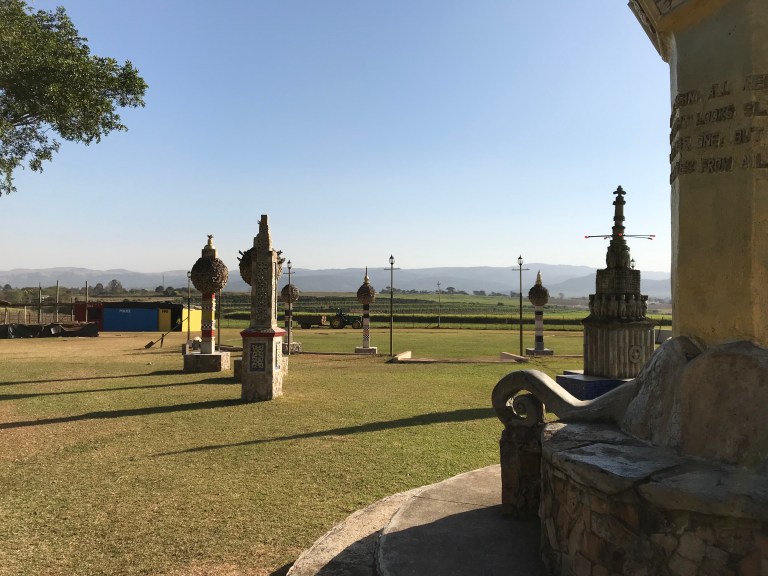
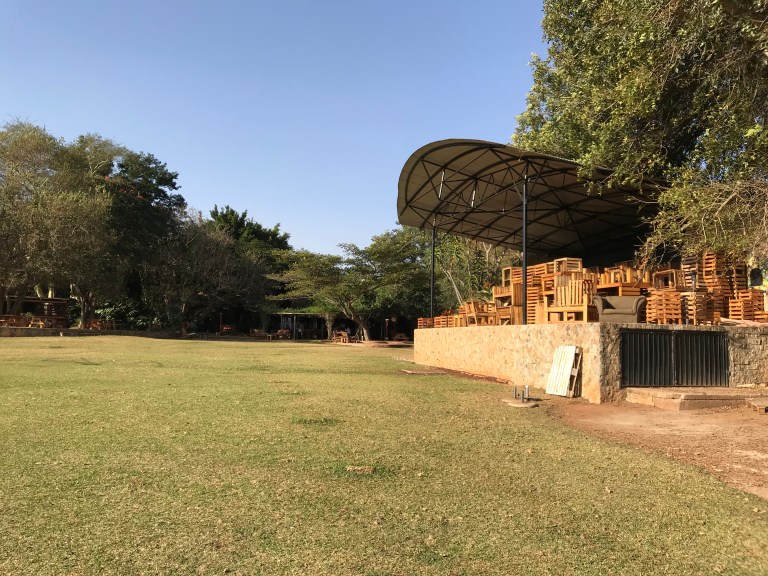
There are big fields and a stage at the back, and this has been highly recommended to me – bring it on eSwatini 🎶 🍻 🎤- and thanks for a great holiday this time ❤️ 🇸🇿
 cheeky gin travels